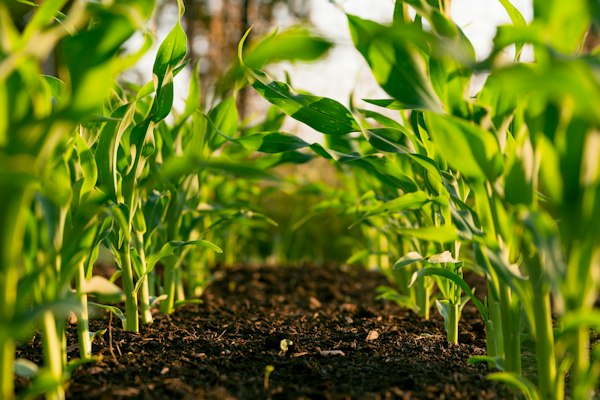
Sustainable Industrial Packaging Solutions

Jute-based alternatives for logistics, construction, and agriculture.

Engineered for performance. Designed for circularity. Built for industrial-scale procurement.

Supported by

★

European Union

Funded Programme
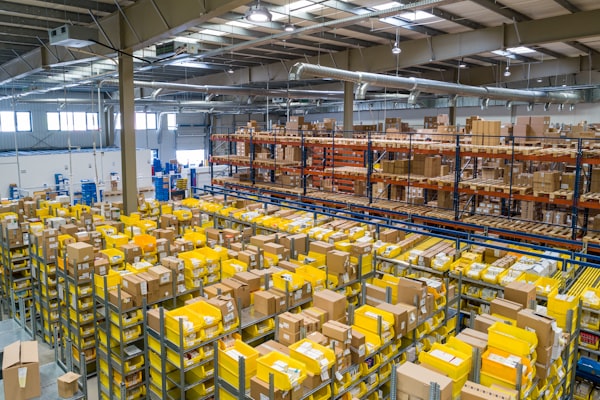
Industrial jute packaging materials

100%

Biodegradable Materials

50+

Industrial Applications

EU

Plastic displaced yearly

ISO

Certified processes

Our Approach

Engineered sustainability for industrial operations

We approach sustainability as an engineering challenge. Our solutions are designed to meet the rigorous demands of industrial procurement while reducing environmental impact through material science, not compromise.

Every product specification is developed with performance parity to conventional materials, ensuring that sustainability becomes a practical business decision rather than a trade-off.

40%

Lower carbon footprint vs. synthetic alternatives

100%

Biodegradable at end of life

3x

Average reuse cycles before recycling

0

Synthetic coatings or treatments

Why Jute

Performance characteristics

Jute offers a unique combination of mechanical properties that make it suitable for demanding industrial applications.

Tensile Strength

High tensile strength suitable for heavy-load applications up to 1000kg per unit.

393-773 MPa tensile strength

Breathability

Natural fiber structure allows air circulation, preventing moisture buildup and product degradation.

Ideal for agricultural storage

Biodegradability

Fully biodegrades within 2-3 months under composting conditions, leaving no microplastic residue.

EN 13432 compliant

Low Water Footprint

Primarily rain-fed cultivation requires 10x less water than cotton production.

~2,000 L per ton of fiber

Carbon Negative

Jute plants absorb 15 tons of COâ‚‚ per hectare during 120-day growth cycle.

Superior to tree sequestration

Chemical-Free

Traditionally cultivated without pesticides or GMOs. Processing requires no synthetic chemicals.

Organic certification available

Impact Calculator

Calculate environmental impact

Quantify the COâ‚‚ reduction when transitioning from conventional packaging materials.

50 ha
1 ha 100 ha

COâ‚‚ Absorbed

750 tons

Per growth cycle

Oâ‚‚ Released

550 tons

Per growth cycle

Fiber Produced

100 tons

Dry jute fiber

Growth Cycle

120 days

Seed to harvest

Material Comparison

Jute packaging 0.5 kg COâ‚‚/kg
Paper packaging 1.5 kg COâ‚‚/kg
HDPE plastic 2.0 kg COâ‚‚/kg
Polypropylene 4.0 kg COâ‚‚/kg

Water Usage per Ton of Fiber

Jute ~2,000 L
Cotton ~20,000 L

Industries Served

Solutions by sector

Purpose-built packaging solutions engineered for the specific requirements of each industry.

Logistics warehouse

Logistics & Distribution

Heavy-duty bulk bags, pallet wraps, and dunnage solutions for multi-modal transport and cold chain applications.

  • • FIBC bulk bags (500-1500kg)
  • • Pallet covers and wraps
  • • Cargo dunnage materials
View specifications
Construction site

Construction

Erosion control textiles, aggregate bags, and site protection materials for infrastructure projects.

  • • Geotextiles for erosion control
  • • Sand and aggregate bags
  • • Temporary site barriers
View specifications
Agricultural storage

Agriculture

Breathable storage bags, seed sacks, and compostable solutions for produce and grain handling.

  • • Grain and seed storage bags
  • • Produce packaging
  • • Compostable mulch sheets
View specifications

Products & Capabilities

Industrial jute packaging

Standardized product lines with custom specification capabilities for volume procurement.

FIBC Bulk Bags

Industrial bulk containers for 500-1500kg loads with multiple lift options.

Food-grade options available

Industrial Sacks

Standard and custom-sized sacks for agricultural and industrial commodities.

25-100kg capacities

Geotextiles

Woven and non-woven jute fabrics for erosion control and soil stabilization.

Various GSM weights

Custom Solutions

Engineered packaging developed to specific performance requirements.

MOQ applies

Standard Specifications

  • Weight: 200-400 GSM
  • Width: Up to 120 cm
  • Tensile strength: 15-25 kN/m

Certifications

  • ISO 9001:2015
  • OEKO-TEX Standard 100
  • EN 13432 (Compostability)

Lead Times

  • Standard: 4-6 weeks
  • Custom: 8-12 weeks
  • Stock items: 1-2 weeks

Quality & Consistency

Controlled manufacturing processes

Our production facilities operate under strict quality management systems to ensure consistent specifications across all batches. Every shipment includes full traceability documentation.

Batch Testing

Every production batch undergoes tensile, tear, and dimensional testing.

Traceability

Full supply chain documentation from raw fiber to finished product.

Third-Party Verification

Independent audits ensure compliance with international standards.

ISO

9001:2015 Certified

100%

Batch Tested

<1%

Defect Rate

48h

COA Delivery

Credibility & Partnerships

Supported through the Closing Loops circular economy programme

Orbit Sustainability participates in Closing Loops, a Danish innovation programme funded by the European Union to accelerate circular economy solutions for biobased and reusable packaging materials.

European Alignment

Contributing to EU circular economy objectives and plastic reduction targets.

Biobased Focus

Reducing plastic waste through natural fiber alternatives and reusable systems.

Value Chain Collaboration

Working with partners across the supply chain to implement circular solutions.

★★★

European Union

Funding Partner

CL

Closing Loops

closingloops.dk

Request technical specifications

Get detailed product specifications, pricing, and lead times for your procurement requirements.

Typical response within 24 hours. Volume pricing available.